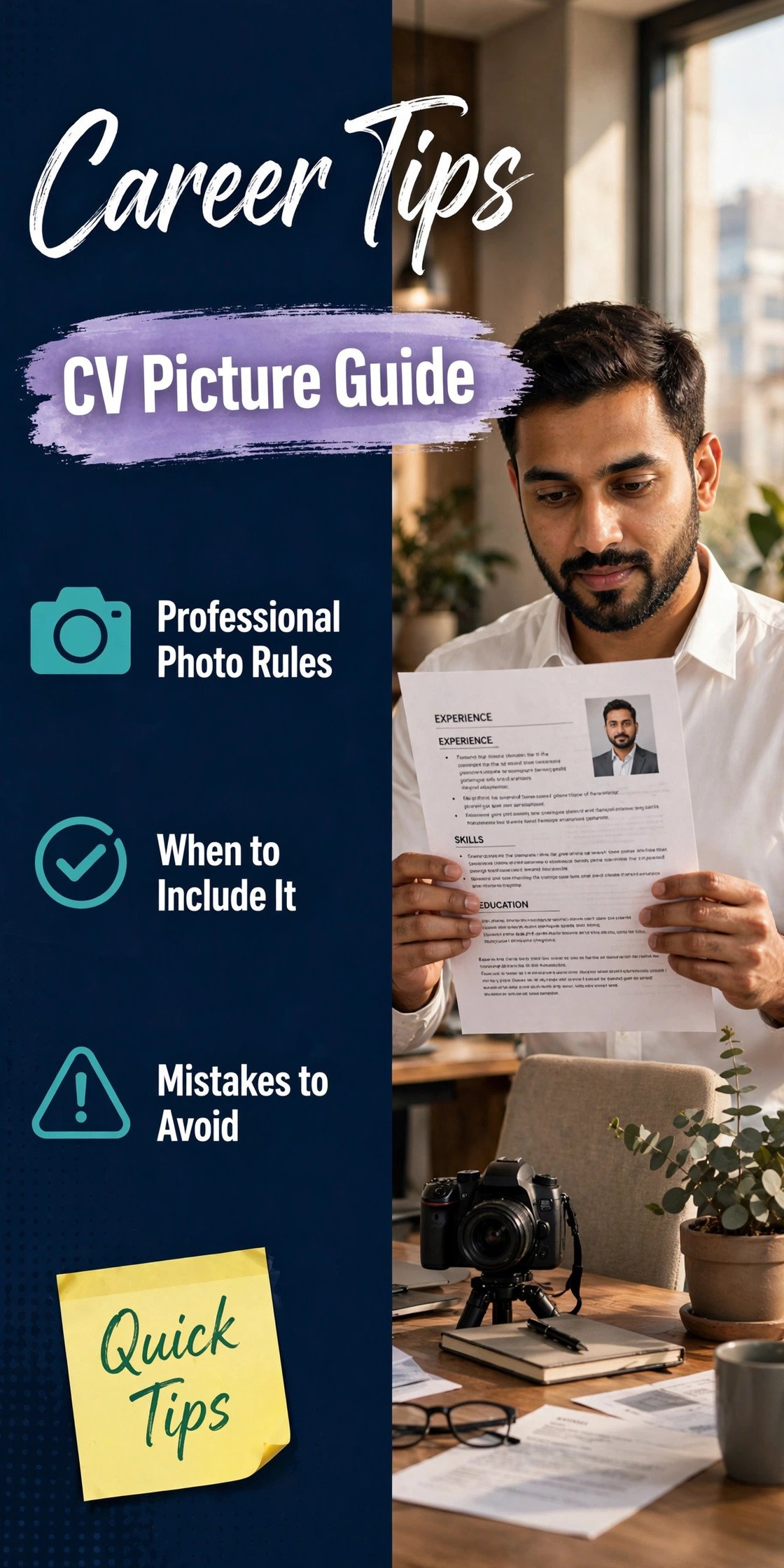
Adding a cv picture to your job application is one of the most debated topics among Pakistani job seekers. Some employers expect to see your face, while multinational companies may discard CVs with photographs without a second glance. Get it wrong and your application suffers before anyone reads a word; get it right and a professional photo adds a human touch that helps recruiters remember you. This guide explains exactly when a cv picture helps, when it hurts, and how to take one that works.
Should You Include a Photo on Your CV in Pakistan?
The honest answer is: it depends on the employer. In Pakistan's local job market — government departments, schools, banks, and most private companies — a cv picture is still common and often expected. Many newspaper job advertisements in Jang and Express explicitly ask for applications "with a recent photograph". For these roles, omitting the photo can make your CV look incomplete.
However, multinational companies, remote international roles, and organisations with strict anti-discrimination policies usually prefer CVs without photographs. They want hiring decisions based purely on skills and experience. If you are applying to a foreign company or through an international job portal, leave the photo off unless the advertisement specifically requests one.
The golden rule: follow the employer's instructions. If the ad asks for a photograph, include a professional one. If it says nothing, consider the company — local Pakistani employer, include it; international or remote role, skip it.
What Makes a Good CV Picture?
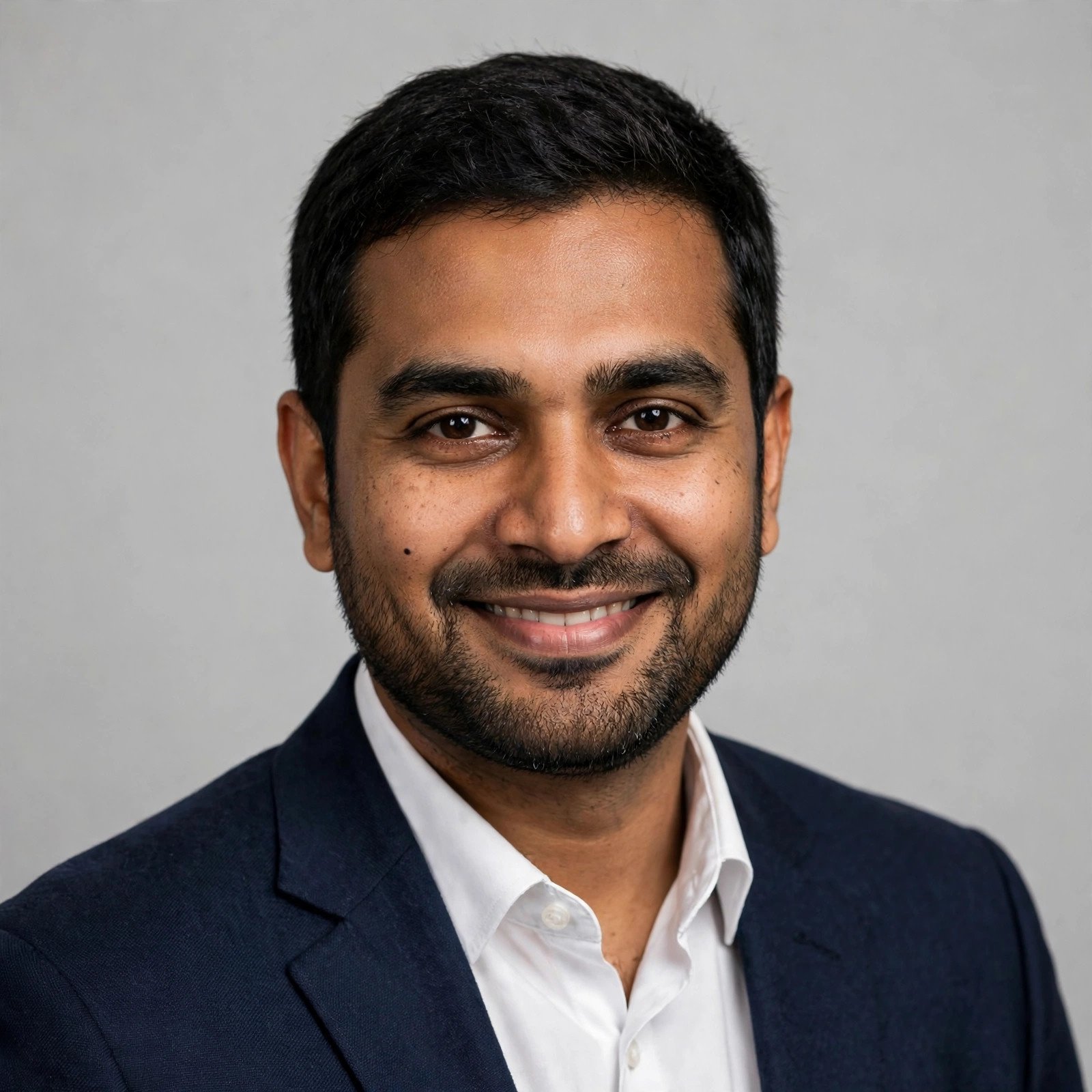
A cv picture is not a selfie, a wedding photo, or a cropped group picture. It is a professional headshot, and the standards are simple:
- Plain background — a white, light grey, or soft blue wall works perfectly. Avoid busy backgrounds, cars, and outdoor scenery.
- Professional dress — wear what you would wear to the interview: a collared shirt, formal shalwar kameez, or blazer. For women, a neat hijab or professional hairstyle with modest formal dress is ideal.
- Head and shoulders only — frame from the chest up, face the camera directly, and keep a natural, confident expression. A slight smile is fine; a grin is not.
- Good lighting — face a window for soft natural light. Avoid harsh shadows, flash reflections on glasses, and dark rooms.
- Recent and accurate — the photo should look like you today, not five years ago. Recruiters notice the difference at the interview.
How to Take a Professional CV Picture at Home
You do not need a studio. A smartphone and ten minutes are enough if you follow these steps. Find a plain wall near a large window during daylight. Prop your phone at eye level using books or a tripod — never hold it in your outstretched hand, as the angle looks unprofessional. Set a timer, stand about a metre from the wall, and take several shots. Choose the sharpest one where you look alert and approachable.
Edit lightly: crop to head and shoulders, straighten the image, and adjust brightness if needed. Do not use beauty filters, heavy retouching, or dramatic effects — recruiters in Pakistan value an honest, natural photograph, and over-editing raises doubts.
CV Picture Size, Placement, and Format
Place your cv picture at the top of the first page, aligned to the right of your name and contact details, or centred above them — both layouts are accepted in Pakistan. Keep it small: roughly 3.5cm × 4.5cm (passport-photo proportions) is the standard. A photo that dominates the page looks like a modelling portfolio, not a job application.
Use a JPG or PNG file embedded directly in the document, then save and send your CV as a PDF. This keeps the photo sharp and prevents layout shifts when the recruiter opens your file on a different device. Check the final PDF before sending — a pixelated or stretched photo is worse than no photo at all.
Common CV Picture Mistakes to Avoid
- Casual selfies — bathroom mirrors, car seats, and tilted angles destroy credibility instantly.
- Old or misleading photos — if you look noticeably different at the interview, trust is damaged.
- Sunglasses, caps, or heavy filters — your face must be fully and clearly visible.
- Group photos cropped down — stray shoulders and arms at the edges look careless.
- Overly large images — your photo should support your CV, not replace it.
- Adding a photo when told not to — some application systems auto-reject CVs with images; always follow instructions.
CV Picture vs LinkedIn Photo: Know the Difference
Your LinkedIn profile photo and your cv picture serve different purposes but follow the same professional standards. LinkedIn photos can be slightly more relaxed — an outdoor professional shot is acceptable there — while the CV photo should be more formal. Ideally, use the same professional headshot in both places so recruiters recognise you instantly when they cross-check your application with your LinkedIn profile.
Final Checklist for Your CV Picture
Before you attach that photo, run through this list: Is it recent? Is the background plain? Are you dressed professionally? Is your face clearly visible with natural lighting? Is it passport-sized and placed neatly at the top of page one? Is the final PDF sharp and undistorted? If every answer is yes, your cv picture is ready — and it will strengthen, not weaken, your application. In Pakistan's competitive job market, these small professional details are often what separate shortlisted candidates from the rest.


Comments (0)
Leave a Comment